Back to Peptide Library
Peptide Bioregulator

Cartalax

Ala-Glu-Asp • AED Peptide • T-31

Cartalax is a synthetic three-amino-acid peptide developed within the Khavinson peptide-bioregulator research program. It has been studied mainly in laboratory and animal models involving fibroblasts, cartilage-related cells, connective tissue, kidney cells, and cellular-aging markers, but robust controlled human evidence is absent.

Cartilage Research Connective Tissue Gene Expression Preclinical Evidence
Protocol Snapshot

Cartalax Quick Reference

Verified Vendors
Cartalax
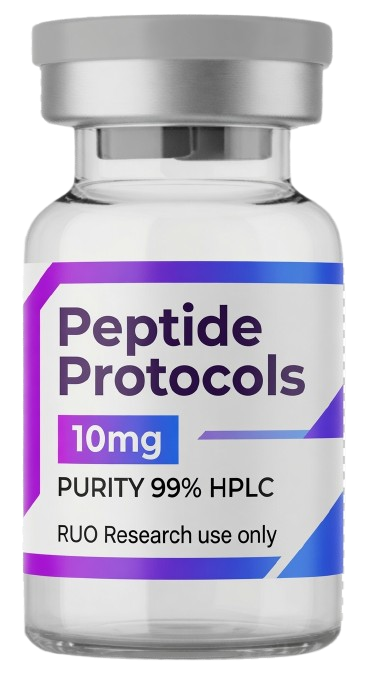
Peptide Protocols Cartalax product
Compare Verified Vendors
  • Current price and availability
  • Price per mg and vial-size comparison
  • Testing and fulfillment details
Compare
View Price Index
Community Dose
2mg
Once daily by subcutaneous injection; not clinically validated.
Cycle Length
10–20 days
Short-cycle peptide-bioregulator convention.
Route
SubQ
Community injectable protocol rather than an approved regimen.
Evidence
Preclinical
Cell, animal, and narrow research-group evidence.
Peptide Grade
GradeC
Plausible cartilage and connective-tissue applications are limited by narrow research, a small community evidence base, and sparse human safety data.
Research Community Safety
Foundation

Research context, mechanisms, and practical use cases

What Is Cartalax?

Cartalax is a synthetic tripeptide made from alanine, glutamic acid, and aspartic acid. Its sequence is Ala-Glu-Asp, which is why it is also called AED peptide or T-31.

It belongs to the family of short peptide bioregulators associated with Vladimir Khavinson’s research program at the St. Petersburg Institute of Bioregulation and Gerontology. Published descriptions extend beyond cartilage to fibroblasts and related connective-tissue cells found in skin, blood vessels, kidneys, and other tissues.

Khavinson-related research proposes that certain short peptides may enter cells and influence chromatin-associated gene-expression processes. That remains a research hypothesis rather than a clinically established human mechanism.

Vladimir Khavinson (1946–2024) founded and directed the St. Petersburg Institute of Bioregulation and Gerontology and spent decades studying short peptides in aging and tissue-regulation models.

Potential Cartalax Benefits

These potential effects come primarily from cell-culture and animal work and should not be interpreted as proven clinical benefits.

Cartilage & Joint Support

Experimental work has examined chondrocytes, fibroblasts, extracellular-matrix markers, and tissue-breakdown enzymes.

Skin & Connective Tissue

Fibroblast studies report changes involving proliferation, collagen-related markers, and matrix metalloproteinases.

Cellular-Aging Markers

Studies report changes in senescence and apoptosis markers including p16, p21, p53, and SIRT6.

Kidney-Cell Research

Aging-model research has examined proliferation and senescence markers in kidney cells and tissue cultures.

Protocol Planning

Dosing, cycling, and preparation

Cartalax Injectable Protocol

This is a community peptide-bioregulator protocol, not an FDA-approved regimen or a schedule validated in controlled human trials.

Community Injectable Protocol

Route
Subcutaneous injection
Dose
2mg once daily
Cycle
10–20 days
Frequency
3–4 cycles per year
Break
3–4 months between cycles

Protocol Context

Evidence
Not validated in controlled human trials
Purpose
Usually positioned for connective-tissue maintenance rather than acute injury treatment
Expected Feel
Community reports describe subtle or no immediately noticeable effects

Cartalax Reconstitution

The example below uses a 20mg vial with 2mL of bacteriostatic water.

20mg Vial

BAC Water
2mL
Concentration
10mg/mL
2mg Dose
0.2mL or 20 units on a U-100 syringe
Reconstitution Calculator

Handling Notes

Mixing
Add bacteriostatic water to the vial
Do Not
Do not shake aggressively
Storage
Refrigerate after reconstitution
Anecdotal Data Points

Community-reported outcomes and recurring patterns

Self-reported anecdotal experiences aggregated from public & private peptide community discussions and anonymous peptideprotocols.app user reports. This information does not carry the same weight as published research.

Positive Reports

  • Some users describe better joint support during squatting and lifting after 1–2 weeks.
  • Occasional reports describe improvement in chronic knee or hip discomfort, including one account of hip-pain improvement over a three-week cycle at 2mg per day.
  • Responders generally describe gradual joint comfort or training tolerance rather than an immediate effect.

Negative Reports

  • Many users describe Cartalax as subtle or report no clear signal after dosing.
  • Users expecting an acute recovery effect comparable to BPC-157 often report disappointment.
  • The user base is small and self-selected, making placebo effects, reporting bias, and inconsistent product quality major limitations.
Stacking & Synergy

Potential Cartalax pairings and tracking context

Cartalax Stacking & Synergy

Cartalax + Epitalon

Both belong to the Khavinson bioregulator framework but are positioned around different tissue targets. Concurrent use is unstudied.

Cartalax + BPC-157

BPC-157 is discussed for active injury recovery; Cartalax is positioned as connective-tissue maintenance. No combination study exists.

Cartalax + GHK-Cu

Both are discussed around fibroblasts and extracellular-matrix biology through different proposed mechanisms.

Cartalax + FOXO4-DRI

The rationale combines senescence-marker research with an experimental senolytic strategy. No study has evaluated the pairing.

These combinations are theoretical or community based. No controlled studies have established their safety or effectiveness.
Free with login

Track in Journal

Track Cartalax with the joint, mobility, and cycle markers that matter most for this compound.

  • Dose, timing, injection site, cycle day, and reconstitution details.
  • Joint comfort, stiffness, mobility, and daily function.
  • Training tolerance, loading capacity, recovery, and side effects.
Safety Notes

Side effects, contraindications, and precautions

Cartalax Side Effects

Cartalax is made from naturally occurring amino acids, but that does not establish safety for an injected research product. Human tolerability data is sparse, product quality may vary, and long-term safety has not been characterized.

Frequency labels such as “common” or “rare” are not established because Cartalax lacks robust controlled human safety trials.
Reported Effects
  • Injection-site redness, swelling, itching, or discomfort.
  • Mild fatigue.
  • Occasional gastrointestinal discomfort.
  • Possible allergic or hypersensitivity reactions.
Severity & Unknowns
  • Available reports generally describe mild and temporary effects.
  • Serious adverse-event rates are unknown.
  • Long-term effects on gene expression, abnormal cell growth, fertility, pregnancy, and organ function are not established.

Cartalax Contraindications and Precautions

Do Not Use If You Have

  • Known hypersensitivity to Cartalax, its amino-acid components, or any formulation ingredient.
  • Active cancer or an unresolved mass unless specifically cleared by an oncologist. This caution is theoretical and reflects absent cancer-population safety data.

Use Caution With

  • Pregnancy or breastfeeding.
  • A history of allergic reactions to injected peptides or excipients.
  • Immunosuppressive medication use or autoimmune conditions without physician guidance.
  • Anyone under age 18.

Special Considerations

Because Cartalax research discusses gene-expression and cell-proliferation markers, including p53-related pathways, anyone with a history of cancer or abnormal cell growth should obtain qualified medical guidance.

Drug Interactions

No well-established interaction profile exists. Absence of documented interactions is not proof that none occur.

Monitoring

  • Monitor injection sites for persistent redness, warmth, swelling, drainage, or worsening pain.
  • Stop use and seek medical attention for signs of a serious allergic reaction.
  • Discuss unexplained masses, abnormal bleeding, persistent fatigue, or other concerning symptoms with a clinician.

Regulatory Status

Cartalax is not FDA approved. No large controlled human trial program has established an approved indication, standardized injectable dose, or long-term safety profile.

FINAL VERDICT

Peptide Protocol's Opinionated Opinion

This is not medical advice. This editorial is our own opinion piece based off the experience of our own lab rats.

We view Cartalax as a Khavinson bioregulator focused on fibroblast activity and extracellular matrix regulation. In cartilage models, it helps support tissue structure and suppress matrix-degrading enzymes. This makes it useful for joint comfort, mobility, and addressing age or training-related stiffness and fibrosis.


Community feedback is generally positive, with users noting gradual improvements in how their joints feel and function. Results build over time rather than appearing overnight. We like stacking it with BPC-157 or TB-500 for enhanced recovery. Solid option for long-term connective tissue and joint support.